(817) 277-5341


 All Articles
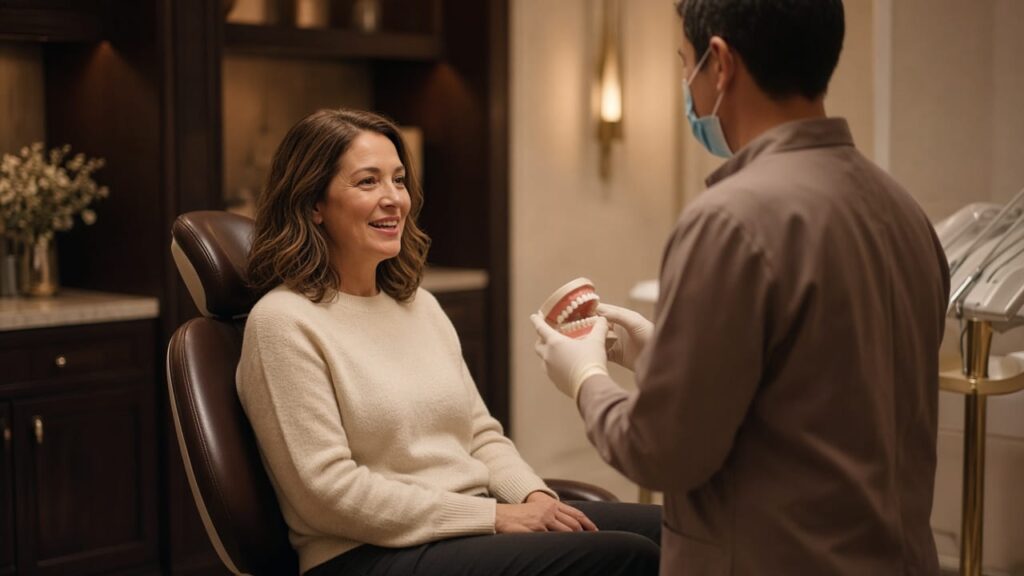
If you have wondered what oral cancer screening in Arlington, TX actually involves, the answer is reassuring: it is a calm, quick part of a routine dental exam, not a separate ordeal. At Type A Dentistry, we look at the soft tissues of your lips, tongue, cheeks, and mouth every time you come in for a comprehensive exam and cleaning. A new national guideline has put that practice back in the spotlight, and with the holidays and the end of the benefit year approaching, it is a good moment to talk about it plainly.
What the new ADA guideline says
The first guideline from the ADA Living Guideline Program, as reported by ADA News, focuses on the early detection of oral squamous cell carcinoma and potentially malignant disorders. It reaffirms that clinicians should perform a comprehensive extraoral and intraoral clinical exam on all adults, explain its role in the early detection of oral and lip lesions, and obtain updated medical, social, and dental histories. The American Dental Association website is a good place to read more directly from the source.
The panel chair, Dr. Mark Lingen, put it simply: "Dental visits can save lives." He added that "early detection often leads to better patient outcomes." Dr. Alessandro Villa, another member of the guideline panel, said every adult patient should have an updated history and a thorough clinical exam, "whether it's a new patient visit, a routine recall or an emergency appointment."
None of this is a new idea. It is a reaffirmation of something good dentists have long done, and a reminder that a regular checkup is about more than teeth.
What oral cancer screening in Arlington, TX looks like at a routine exam
Most patients are surprised by how unremarkable it feels. A screening is built into a standard exam, and it generally has three parts.
A conversation about your history
We start by updating your medical, social, and dental histories. That includes medications, health changes, and lifestyle factors, the same kinds of history the ADA guideline calls for. We ask without judgment. The goal is simply to understand you well enough to notice what is different.
The extraoral check
Extraoral means outside the mouth. We look at your face, lips, and jawline, and gently feel along the neck and under the jaw for anything unusual, such as swelling or tenderness.
The intraoral check
Inside the mouth, we carefully examine the lips, tongue, cheeks, gums, the floor and roof of the mouth, and the back of the throat area we can see. We are looking for changes in color, texture, or shape, and for sores or lesions that do not look like they belong.
There is nothing to dread. It takes only a few minutes, and it happens alongside the parts of your visit you already expect, like your cleaning and a look at your teeth and gums.
Changes in your mouth or lips worth mentioning
You do not need to diagnose anything yourself, and most mouth changes turn out to be harmless. The useful habit is noticing what is persistent. The National Institute of Dental and Craniofacial Research and the Mayo Clinic both describe signs worth having checked, including:
- A sore on the lip or in the mouth that does not heal
- White or reddish patches inside the mouth
- A lump, thickening, or rough spot in the cheek, tongue, or lip
- Ongoing pain, numbness, or difficulty chewing or swallowing
- A change in how your teeth or dentures fit together that you cannot explain
These sources emphasize persistence: a sore or patch that lingers rather than clears up is the cue to have it looked at, and a couple of weeks is a commonly cited point for scheduling a visit. If something has been there a while, or keeps coming back, book an appointment rather than waiting for your next scheduled cleaning.
It is also worth mentioning small or painless changes. Many early changes in the mouth cause no discomfort at all, which is one reason a regular exam matters.
What happens if something looks unusual
Seeing something unusual does not mean a diagnosis. Plenty of mouth lesions come from irritation, an ill-fitting restoration, or minor injury. The way to know for sure is careful follow-up.
The ADA guideline is clear on the next step. It maintains that a punch or scalpel biopsy followed by histopathological assessment is the preferred and definitive method for diagnosing oral and lip squamous cell carcinoma and potentially malignant disorders. As Dr. Villa put it, "For persistent or suspicious oral lesions, a biopsy remains the gold standard for a definitive diagnosis." When a biopsy is indicated, clinicians should pursue it promptly or refer the patient to a specialist.
In practical terms, if we see something we want a second opinion on, we will explain what we noticed and why, and talk through the next step with you, including a referral to the right specialist when that is the appropriate path. You will not be left guessing. For a broader overview of the topic, the American Cancer Society offers a thorough guide to oral cavity and oropharyngeal cancer.
Why cosmetic patients still need regular exams
Many people come to our office in Arlington for something they can see in the mirror: porcelain veneers, professional whitening, Invisalign, a same-day ceramic crown, or dental implants. Those are the services we are known for, and we love that work. But every one of them begins with a healthy mouth.
Before we plan veneers or implants, we need to know that your gums, bone, and soft tissues are in good shape. A beautiful result placed on top of an undiagnosed problem is not the outcome anyone wants. That is why even a patient who comes in only for a cosmetic consultation receives oral cancer screening in Arlington as part of a proper look at the whole mouth, not just the front teeth. You can browse our cosmetic dentistry options to see what we offer.
The guideline's point about visit types applies here too. If you walk in with a chipped tooth the week before a family event, we will still take a moment to look at the rest of your mouth. That is simply what meticulous care means to us. And once you have invested in your smile, regular exams and cleanings help protect it, since healthy gums and tissues are part of what keeps cosmetic work looking its best.
Making a year-end checkup easy in Arlington and across DFW
The weeks before the new year are a natural time to catch up on care. Many dental plans run on a calendar year, so unused benefits may not carry over. Plans differ, so check your own coverage, and if you are unsure, our team can help you read it. We accept most dental insurance, and our insurance and financing page explains how we help patients understand their coverage and manage treatment costs, including third-party financing.
Two small things make a holiday-season visit easier: book early, since December calendars across the Mid-Cities fill quickly, and mention anything you have noticed in your mouth or on your lips, even if it seems minor.
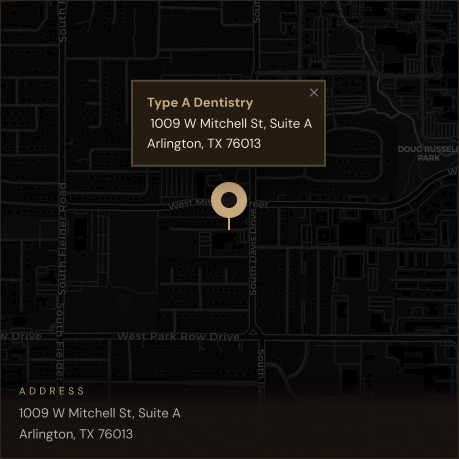
Patients come to us from Downtown Arlington and the UT Arlington campus area, from Pantego and Grand Prairie, and as families driving in from Fort Worth and Mansfield. Our office at 1009 W Mitchell St, Suite A, is close to the UT Arlington campus area and Cooper Street, which helps when you are fitting an appointment between work, classes, and holiday plans.
If you do not have dental insurance, you still have options. Our in-house membership plan is designed for patients without coverage, so routine exams and cleanings stay within reach. UT Arlington students and staff who are between plans are welcome to ask about it too.
Questions to ask at your next visit
A good dental visit is a conversation. Consider asking:
- What do you check during my exam, and what did you see today?
- Is there anything in my mouth I should keep an eye on at home?
- How often should I be seen, given my history and risk factors?
- If you find something unusual, what happens next and who would you refer me to?
For patient-friendly reading, the ADA's MouthHealthy site covers everyday oral health. You can also find our office on Google Maps, Apple Maps, or Yelp to read patient reviews, get directions, and see our hours before you visit.
Frequently asked questions
Does a routine dental exam near Arlington include an oral cancer screening?
At our office, yes. Every comprehensive exam includes an extraoral and intraoral check of your lips, tongue, cheeks, and other soft tissues, along with an update of your medical, social, and dental histories. This matches what the new ADA Living Guideline reaffirms for all adults. If you are not sure whether your last dentist did this, simply ask at your next visit.
Does oral cancer screening hurt or take a long time?
No. The screening is a visual and hands-on check that is part of your regular exam, and most people barely notice it. It adds only a few minutes to your appointment. If we ever see something that needs a closer look, we will explain it clearly and discuss next steps with you.
How often should I have a dental exam if I do not have insurance?
Your dentist will recommend a schedule based on your history and risk, so the right interval can differ from person to person. Not having insurance should not mean skipping exams. Our in-house membership plan is designed for patients without dental coverage, and our team can walk you through how it works and what is included.
If it has been a while since your last exam, or you have noticed a sore or change in your mouth that has not gone away, we would be glad to see you, ideally before the new year if you want to make use of your benefits. Type A Dentistry offers judgment-free, meticulous care, including oral cancer screening in Arlington, TX, to neighbors across the Mid-Cities. Contact our office to book a consultation and find us on Google Maps, Apple Maps, or Yelp whenever you are ready.