(817) 277-5341


 All Articles

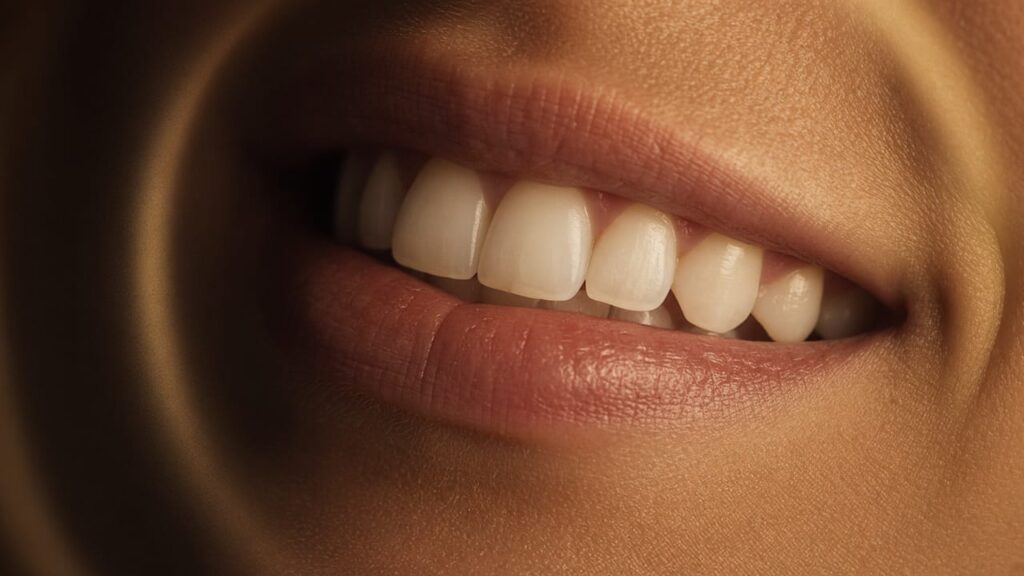
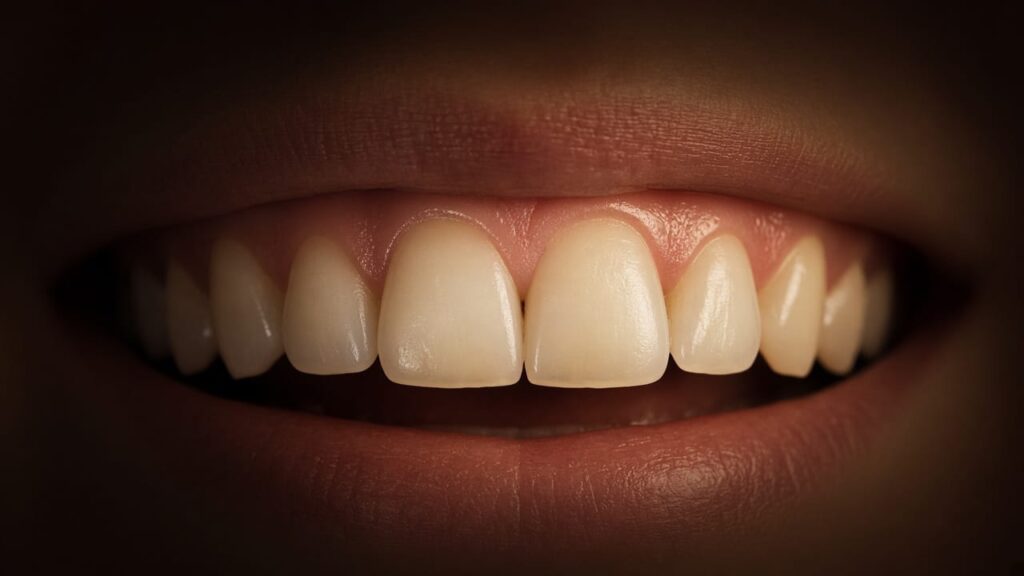
"I have had bad teeth for too long." That was the goal one of our patients shared before a recent veneer case we posted on Instagram, and it is a feeling we hear often at our office in Arlington. The good news is that smile makeover options today range from a modest touch-up to a full set of porcelain veneers, and the best plan is usually the one that still looks like you. In that case, the finished shade was 1M1, and our caption put it simply: the intention isn't to lose yourself, it's to elevate your smile.
This guide walks through the most common cosmetic treatments, how a natural-looking tooth shade is chosen, and what to ask before you commit, so you can come in with clear expectations.
What "smile makeover options" really means
A smile makeover is not one procedure. It is a plan that combines one or more cosmetic treatments to change how your teeth look. According to Cleveland Clinic's overview of cosmetic dentistry, common services include teeth whitening, dental bonding and veneers, and the goal is to bring balance and symmetry to the teeth and gums. People often look into cosmetic care for chipped or cracked teeth, gaps, misaligned teeth, misshapen teeth, or discoloration and staining.
For some patients, the right answer is a small change on one or two teeth. For others, it is a coordinated plan across the whole smile line. A good consultation starts with what bothers you, not with a menu of procedures.
The main smile makeover options we discuss in Arlington
Here is how the most common treatments compare at a general level. Your own plan depends on an exam, your oral health, and your goals.
Professional teeth whitening
Whitening lightens the shade of natural teeth. The ADA's MouthHealthy guide to teeth whitening notes that whitening will not work on caps, veneers, crowns or fillings, and that whiteners may not correct every type of discoloration. That is why it helps to talk to a dentist first, especially if you already have restorations on your front teeth. Cleveland Clinic lists the typical length of whitening results as roughly six months to three years.
Dental bonding and composite veneers
Bonding uses tooth-colored composite resin to change the shape of a tooth or conceal chips, cracks and discoloration. The ADA explains that composite veneers may require less enamel removal and fewer visits than porcelain, and are easier to fix if damaged, but they are not as stain- or wear-resistant. Cleveland Clinic's typical range for bonding results is about five to eight years.
Porcelain veneers
Porcelain veneers are thin, custom-made shells that cover the front surface of a tooth. According to the ADA's MouthHealthy page on veneers, they are strong, long-lasting and natural-looking, and they tend to be the more expensive option. They can improve teeth that are chipped, stained, crooked or misshapen and can mask gaps. The ADA is also clear that treatment is not reversible, because enamel is removed to place a veneer. Cleveland Clinic's veneers article says veneers last 10 to 15 years on average with proper care. Porcelain veneers are a signature service at our office; you can read more on our porcelain veneers page.
Crowns, Invisalign and other pieces of the plan
Not every concern is cosmetic on the surface. A crown covers the entire tooth and is mainly used to restore a tooth damaged by decay or trauma, while a veneer only covers the front. At our Arlington office we design and mill same-day ceramic crowns in a single visit, which can fit into a makeover when one tooth needs more protection than a veneer can give. When teeth are crowded or spaced, Invisalign is sometimes part of the conversation before any cosmetic work, so the final result sits on a straighter foundation.
How a natural-looking shade is chosen
The shade is where many smile makeovers succeed or fail. Teeth that are too bright, too opaque, or uniform in a way real teeth never are can look artificial, even when the work itself is technically sound.
Dentists and dental labs describe tooth color in three dimensions. As VITA explains in its overview of the VITA SYSTEM 3D-MASTER, shades are defined by:
- Value (lightness): five levels, from 1 for light to 5 for dark. VITA calls this the most relevant dimension when matching a shade.
- Chroma: how intense the color is, from 1 for low saturation to 3 for high.
- Hue: whether a tooth leans yellow (L), red (R) or sits in the middle (M).
So a shade written as 1M1 sits in the lightest value group, with a medium hue and low chroma. The system covers the natural tooth color space with 26 shades, which gives your dentist and the lab a shared language for the result you want.
The ADA notes that both porcelain and composite veneer placement includes picking the best color shade to match your natural teeth, and your dentist helps you make that decision. In practice, that conversation covers how bright you want to go, whether you plan to whiten the teeth that will not be covered, and how the new teeth will look next to your lips, skin tone and gums. If you are whitening and also planning veneers or crowns, the order matters, since whitening only changes natural teeth.
Is a "little touch-up" enough?
Many people assume a better smile means veneers on every visible tooth. Often it does not. Depending on what you want to change, a plan might be:
- Whitening alone, if your main concern is color and your teeth are otherwise in good shape.
- Bonding or a few veneers to fix one chipped, small or misshapen tooth.
- A larger set of porcelain veneers when several issues, such as color, shape and gaps, show up across the smile line.
The ADA lists some important cautions before veneers: decay or gum disease must be treated first, a veneer can chip, crack or loosen over time, and people who clench or grind, or have a deep overbite, may not be good candidates. Veneers are considered cosmetic, so insurance may not cover them unless they are medically necessary. If you want help sorting out which category you fall into, our team can walk you through it at a consultation; you can contact our office to book one.
Planning your smile makeover at our Arlington office
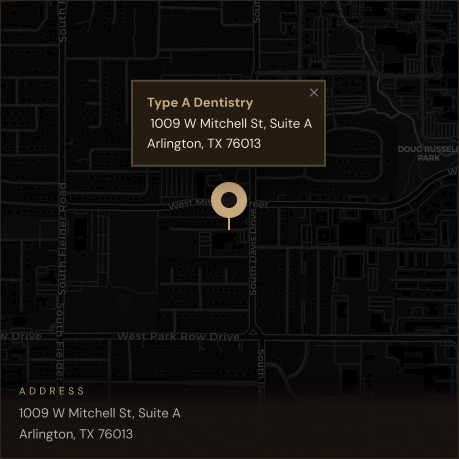
Type A Dentistry is a cosmetic-focused practice at 1009 W Mitchell St near the UT Arlington campus. Porcelain veneers, professional whitening, same-day ceramic crowns, Invisalign and dental implants are all offered here, alongside the exams, cleanings and periodontal care that keep a cosmetic result healthy. Patients come to us from Downtown Arlington and Pantego, and many drive in from Fort Worth, Grand Prairie and Mansfield for veneer consultations.
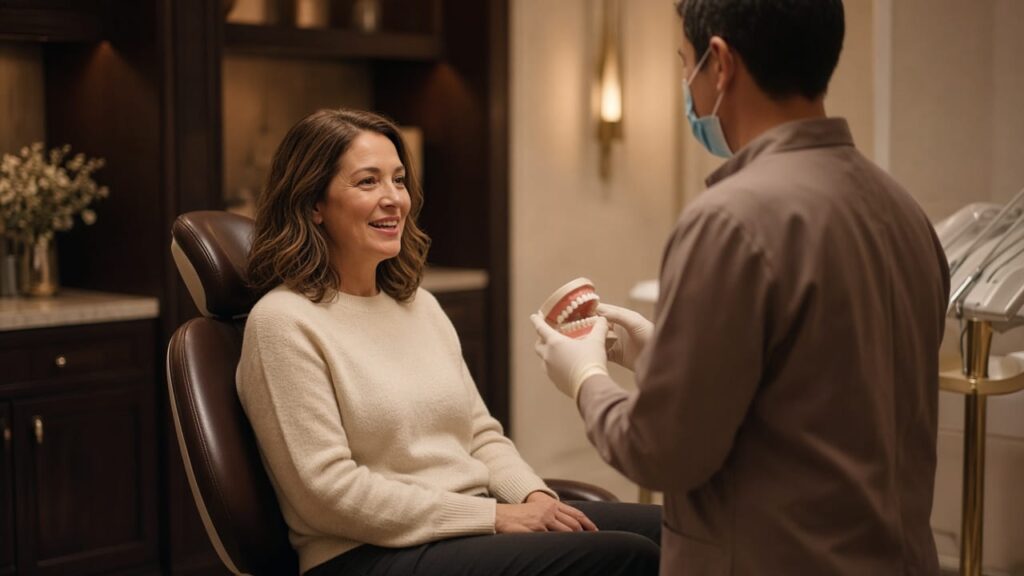
The people who ask us about smile makeover options tend to fall into two groups: adults who have disliked one feature of their smile for years, and people preparing for a milestone who want to look like themselves on a better day. Both deserve a judgment-free conversation about what is realistic, how long each option tends to last, and what it costs. We accept most dental insurance, offer third-party financing, and have an in-house membership plan for patients without insurance.
You can also look us up on Google Maps, Apple Maps or Yelp to find directions and see what other patients have said about visiting our office.
Frequently asked questions
What are the most common smile makeover options near Arlington?
The most common options are professional teeth whitening, dental bonding, and porcelain or composite veneers, sometimes combined with crowns or Invisalign. At our Arlington office, the plan starts with an exam and a conversation about what you want to change. Many patients need fewer treatments than they expect.
Can I whiten my teeth after getting veneers?
Whitening does not change the color of veneers, crowns or fillings, according to the ADA. If you want brighter natural teeth, it is usually best to discuss whitening before your veneer shade is chosen. That way your veneers can be matched to the shade you plan to keep.
How long do veneers last?
Cleveland Clinic reports that veneers last 10 to 15 years on average with proper care, though its broader cosmetic dentistry overview gives a range of five to 15 years. Habits like grinding, chewing on hard objects, and skipping checkups can shorten that. Regular brushing, cleaning between teeth and routine visits help protect the teeth underneath.
If you have been living with a smile you do not love, you do not have to change who you are to change how you feel about it. Our team in Arlington can help you compare smile makeover options, choose a shade that looks natural on you, and plan a budget that fits. Contact Type A Dentistry to schedule a cosmetic consultation.