(817) 277-5341


 All Articles
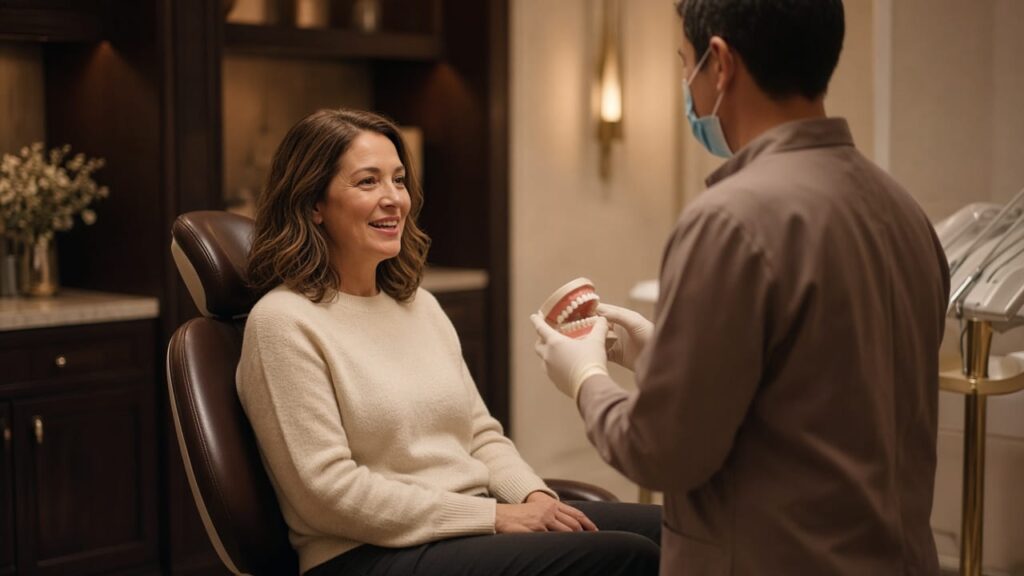
If you have worn a removable partial denture for years, you may wonder whether a smile that feels like your own is still possible. At our office in Arlington, Texas, we hear that question often, and exploring partial denture alternatives is usually where the conversation starts. For many adults a fixed, natural-looking smile can be planned, but it begins with an honest evaluation, not a sales pitch.
Why so many adults live with a partial denture for years
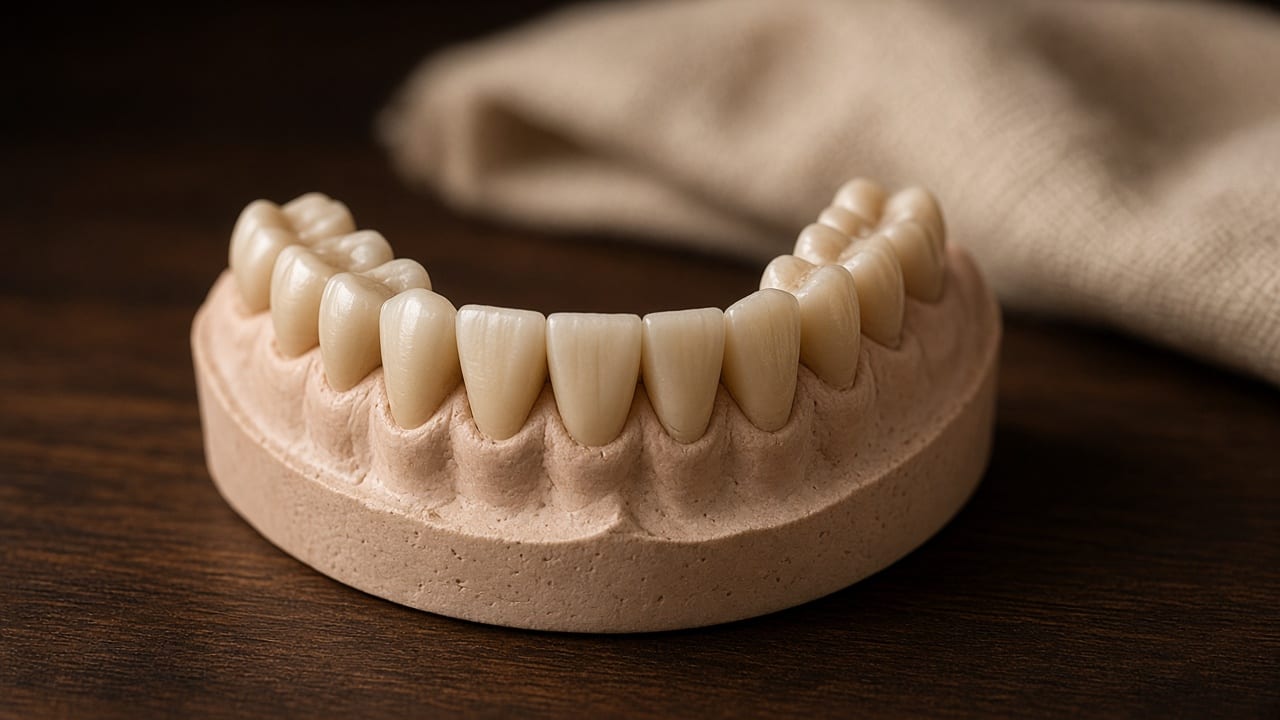
A partial denture is often the first solution offered when teeth are lost, and it is a reasonable one. The American Dental Association's MouthHealthy site describes dentures as removable replacements for missing teeth. They can restore chewing and fill gaps without surgery, which is why many people keep them longer than they planned.
Over time, the frustrations tend to add up. Patients tell us about the same things again and again:
- The appliance shifts when they talk, laugh, or eat.
- Metal clasps or the outline of the denture show when they smile.
- They avoid photos or dinners out because they feel self-conscious.
- They simply do not feel like themselves.
None of that is a failure on your part. A partial denture did the job it was designed to do, and wanting something different is a valid goal. We never judge how long someone has worn a partial or put off treatment.
Partial denture alternatives: what a fixed smile means
A fixed smile is one where your teeth, natural or restored, stay in place and you do not take anything out at night. Compared with a removable appliance that rests on gums and clasps onto teeth, fixed restorations are cemented, bonded, or implant-supported, so they function more like natural teeth. They also bring their own considerations, including the need for healthy support and a commitment to daily care. There is no single route, and each option does a different job:
- Dental implants replace missing tooth roots. According to the Mayo Clinic, implants are surgically placed in the jawbone and act as roots for replacement teeth, with crowns or bridges attached on top. You can read more about dental implants on our site.
- Tooth-supported fixed bridges use neighboring teeth as anchors for a replacement tooth or several in a row. The tradeoff is that those anchor teeth are typically reshaped to hold crowns. That matters if the neighboring teeth are currently healthy.
- Crowns cover and strengthen teeth that are worn, broken, or heavily restored, and they can also serve as the visible tooth on top of an implant.
- Porcelain veneers reshape the front of existing teeth that are chipped, gapped, uneven, or discolored.
Some patients cannot, or prefer not to, go fully fixed. Implant-retained partials and overdentures are a removable middle ground, using implants to hold the appliance more securely than clasps alone. That is why the right combination is different for every patient.
A recent smile transformation we shared
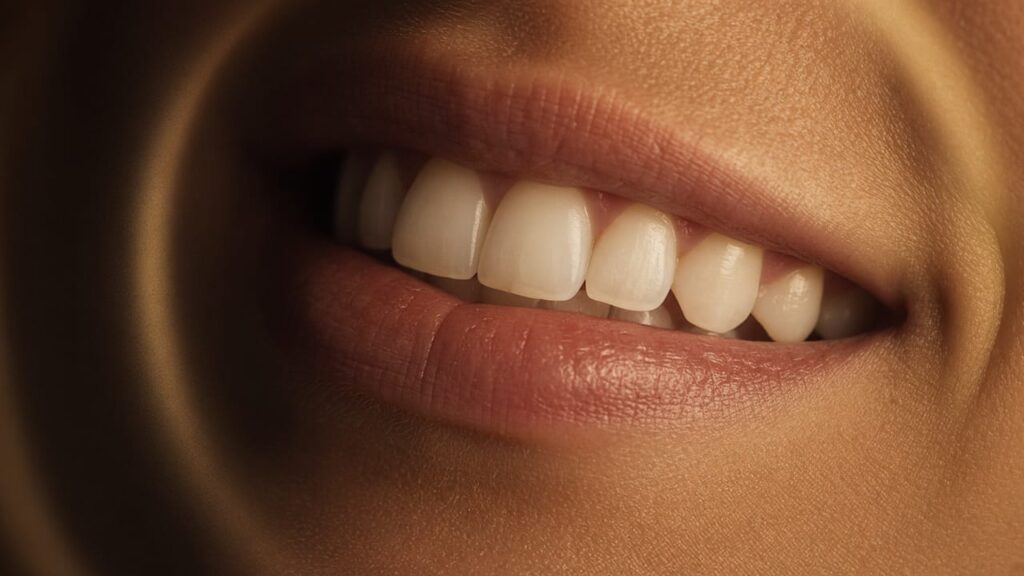
We recently shared a smile transformation on our Instagram. The patient had worn a partial denture for 15 years, and their goal was straightforward: "I want my smile back and I don't want to wear this partial denture I have been wearing for 15 years." Treatment included porcelain veneers and crown work, finished in a custom shade. Our caption said the patient was always stunning and just needed to be reminded.
That is one patient's result, and every mouth is different. Which restorations are right for you, and how any missing teeth would be replaced, comes from a personal exam. Cases like this follow the same approach we use with every patient: we start with your goal, check gums, bite, and remaining teeth, and design around what your mouth can support.
Who tends to be a good candidate for partial denture alternatives
The people who ask us about partial denture alternatives usually share a few things. They are tired of a removable appliance, they want a result that looks natural, and they are willing to invest time in planning. Whether a fixed option suits you depends on what we find in your exam.
Gum health comes first
Healthy gums are the foundation of any restoration. The National Institute of Dental and Craniofacial Research explains that gum disease is an infection of the tissues that hold your teeth in place, and the Mayo Clinic notes that advanced gum disease can damage the bone that supports teeth. If it is present, we address it before cosmetic work begins, and periodontal maintenance may become part of your long-term routine.
Bone support and remaining teeth
We also look at the teeth you still have. Are they strong enough to be crowned or to anchor a bridge? Is there enough bone to consider implants? X-rays and a careful exam answer these questions. Sometimes a phased plan makes more sense than doing everything at once, and sometimes a different option fits better than the one you came in asking about.
How we approach custom shade matching
A natural-looking result is about far more than whiteness. When we plan veneers and crowns, we consider several things together:
- Your skin tone and the color of your eyes and hair
- The shape and proportions of your face
- The length, width, and shape of each tooth
- How your lips and gums frame your smile when you talk and laugh
A custom shade means we do not simply pick one tile from a chart. If you also want to brighten your natural teeth, we usually plan professional whitening first, since ceramic restorations do not change color the way natural enamel does. Our goal is not the whitest smile possible, but the one that looks most like you.
What the process can look like
Because no two mouths are alike, we will not hand you a one-size schedule. In general, care starts with an evaluation: a conversation about your goals, your health history, images, and a check of your gums, bite, and bone. If you need a deep cleaning or gum treatment, that foundation work comes first. From there we discuss design, including shade, tooth shape, and the order of treatment.
The restoration phase depends on the plan. Our same-day ceramic crowns are designed and milled in a single visit, which means fewer trips to our office. Veneers generally take more than one appointment, and temporary options may be used in between. If implants are part of your plan, the timeline extends to allow for healing, and we will explain what to expect before you commit to anything.
Longevity, care, and cost for patients across Arlington
How long do fixed restorations last? There is no honest single number. Longevity depends on the materials, your bite, whether you grind your teeth, your gum health, and how well you care for them. Well-maintained restorations can serve for many years, and like natural teeth they may eventually need repair or replacement. Daily care looks familiar: brush twice a day, clean between your teeth, and keep up with regular exams and cleanings.
On cost, the plan sets the price. A few veneers and crowns look very different on paper from a full rehabilitation with implants, so comparing partial denture alternatives only makes sense once you have a written estimate after your exam. Our office accepts most dental insurance, though coverage varies from plan to plan, so it is worth reading your benefits and asking for a pre-treatment estimate.
We also offer third-party financing, and if you do not have insurance, ask us what our in-house membership plan includes. Our team will walk you through what applies to you.
Questions to ask any cosmetic dentist before you start
Whether you choose us or another practice, bring these to your consultation:
- Why do you recommend this option over the others?
- Can I preview the design before treatment begins?
- What will the full cost look like, including temporaries and follow-up visits?
- Can I see real examples of your work?
That last one matters. You can browse our before and after photos and follow our Instagram for recent cases. You can also look up Type A Dentistry on Google Maps, Apple Maps, or Yelp to read what neighbors and patients say about their visits.
A judgment-free consultation near UT Arlington
Our office is at 1009 W Mitchell St, Suite A, close to the UT Arlington campus area and an easy drive off I-30 or I-20 from Downtown Arlington, Pantego, and Grand Prairie. Patients also come in from Fort Worth, Mansfield, Kennedale, and the wider Mid-Cities. Dr. Sarah Esmail, a graduate of the Arizona School of Dentistry and Oral Health, leads our team. Bring your current partial denture, your insurance information, and your honest questions, and a family member is welcome to join you.
Frequently asked questions
What are the main partial denture alternatives near Arlington?
The main options are dental implants (with crowns or bridges on top) and tooth-supported fixed bridges, sometimes combined with crowns or porcelain veneers on remaining teeth to refine the look. Implant-retained partials or overdentures are a removable middle ground. Which one suits you depends on your gum health, bone support, and the condition of your remaining teeth, and we can review these during an exam at our Arlington office.
Can I get a fixed smile if I have worn a partial denture for many years?
Often, yes, though it depends on what we find in your evaluation. Years of wearing a removable appliance do not automatically rule out fixed options, but gum health and bone support must be checked first. Some patients need preparatory care or a phased plan before restorations begin.
Does insurance cover crowns, veneers, or other denture alternatives?
Coverage varies by plan, and we accept most dental insurance. Because plans treat restorative and cosmetic work differently, we recommend asking for a pre-treatment estimate. We can also discuss third-party financing and our in-house membership plan before treatment begins.
If you are ready to talk about your options, contact our Arlington office to book a consultation. Whether you are driving in from Fort Worth, Mansfield, or just down the road from UT Arlington, we will listen to your goals, give you straight answers, and plan your care with meticulous, judgment-free attention.